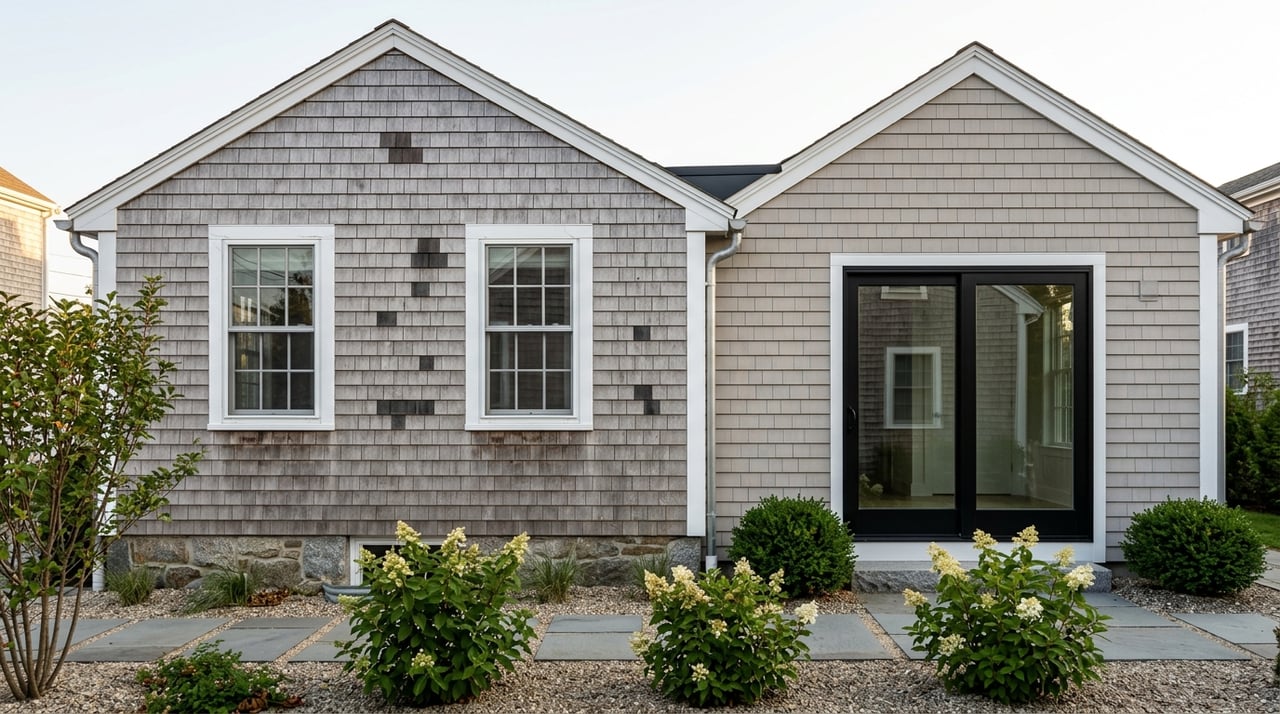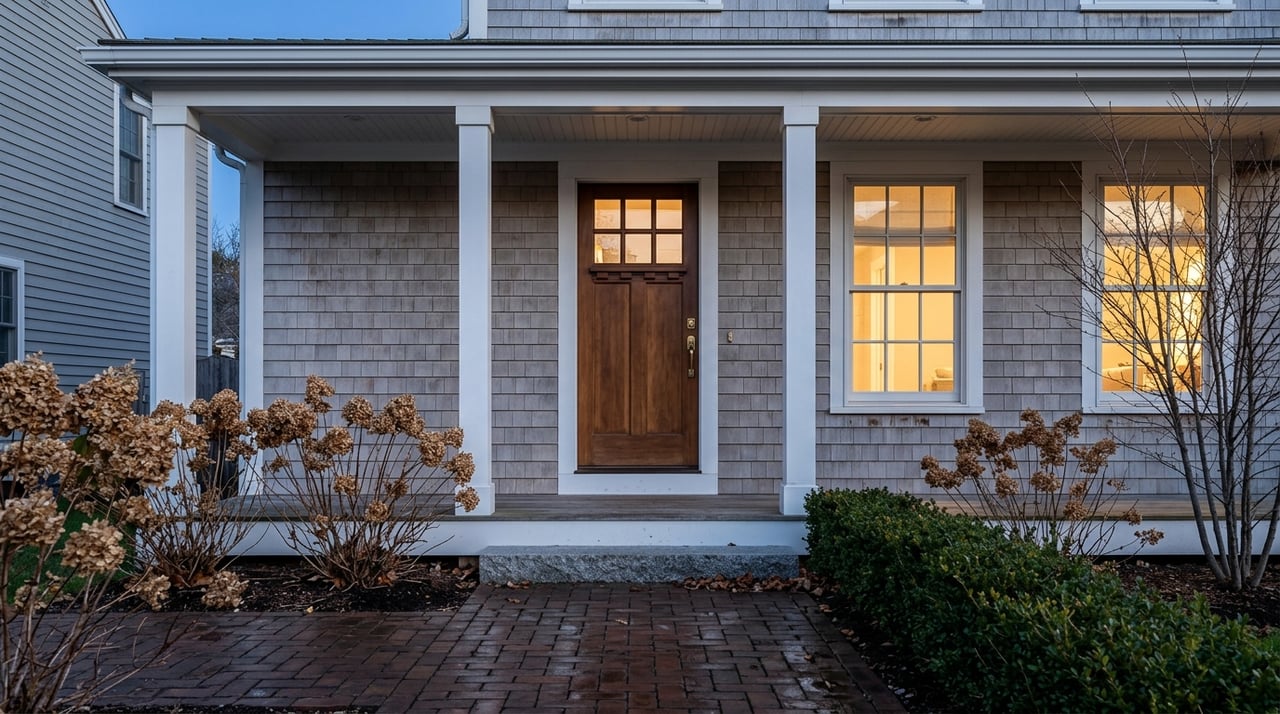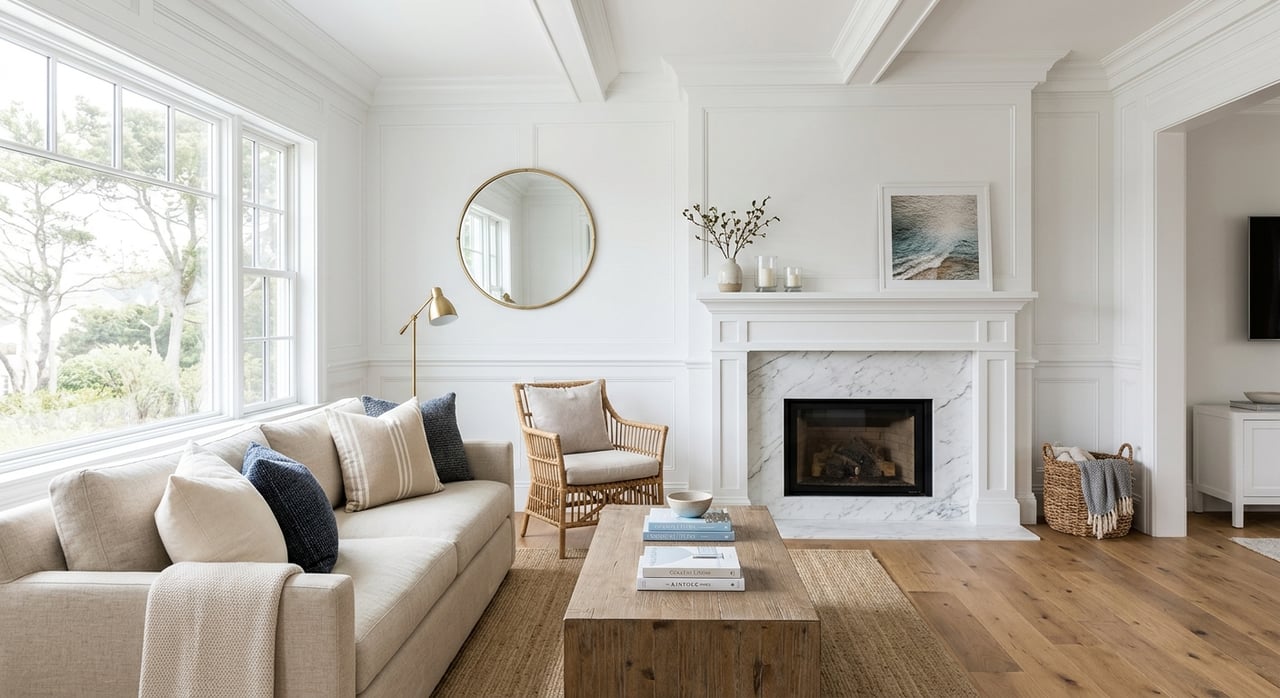
If you are preparing to sell a high-end home in Newport, first impressions are not a small detail. In a market where many buyers start online and compare homes across several price tiers, your property needs to look polished, feel credible, and justify its asking price from the very first glance. This guide will walk you through how to prepare your home strategically, protect its value, and present it with confidence before it hits the market. Let’s dive in.
Understand Newport's High-End Market
Newport is a premium market, but it is not one-size-fits-all. Recent snapshots show median sale prices around the mid-$900,000s, while median list prices sit closer to $1.26 million to $1.30 million, depending on the source. Homes are also moving relatively quickly, with reports ranging from about 11 days pending to roughly 36 to 46 days on market.
That matters because buyers in the upper tier are not just comparing your home to citywide averages. They are comparing it to specific homes in specific parts of Newport, with clear expectations around condition, presentation, and pricing support. If you want a strong result, your prep plan should match your micro-market, not just the broader city headline.
Use Neighborhood Context
In Newport, neighborhood positioning can shape how buyers read your price and presentation. Current neighborhood median values vary significantly, with places like Historic Hill, Old Beach, Harbor/Lower Thames, The Point, Memorial Boulevard, and Fifth Ward all sitting above $1 million, while Downtown is lower.
For you as a seller, that means the same level of prep may perform differently depending on where your home sits. A high-end property in Historic Hill will be judged against a different competitive set than a home in another part of the city. Strong pricing starts with that local context, and strong presentation helps support it.
Think of Prep as Value Protection
Newport has seen strong longer-term appreciation. Rhode Island's 2025 Integrated Housing Report shows Newport's median owner-occupied home value rising from $495,000 in 2020 to $746,900 in 2024, which helps explain why serious sellers often see pre-listing preparation as value protection rather than optional polish.
That mindset is especially important at the high end. When buyers are looking at homes priced materially above the local median, they expect a listing package that feels complete, thoughtful, and well-defended. Clean presentation, accurate documentation, and careful updates all help reduce friction once your home goes live.
Prioritize Repairs Over Big Additions
If your home is historic or located in a local historic district, thoughtful restraint matters. Newport's local guidance makes clear that exterior alterations in a local historic district generally require review and approval before work begins, while interior changes and paint colors are not reviewed.
That is why pre-market budgets are often best spent on repair, maintenance, and presentation rather than new exterior additions. In many cases, preservation-minded work protects both character and timing. It can also help you avoid delays that come from starting visible projects too close to your listing date.
Review Historic District Rules Early
Before you schedule exterior work, confirm whether your property is in a local historic district. If it is, Newport's process may require a Certificate of Appropriateness application, supporting materials, attendance at a meeting, and approved plans attached to any building permit application if a permit is needed.
Even if a project seems minor, it is smart to check early. A COA is valid only for the approved work and for one year, and some work that is exempt from historic review may still require a building permit. Early review helps you avoid last-minute surprises.
Preserve Original Features
For historic Newport homes, original windows and doors can carry real weight with buyers. Newport's Historic District Commission guidance says these are character-defining features and should be preserved, with repair preferred over replacement unless an accepted expert documents that repair is no longer reasonable.
If replacement is necessary, historically compatible materials and pane patterns matter. That makes preservation a pricing issue, not just a design choice. Buyers shopping Newport's historic inventory often notice authenticity, and well-preserved details can strengthen your home's market position.
Be Careful With Deck Plans
Outdoor updates may seem like a fast way to boost appeal, but in historic areas they require caution. Newport's 2024 deck guidance notes that new decks on contributing historic structures are generally not appropriate, roof decks are not appropriate in historic districts, and new work should avoid damaging historic fabric or blocking public sightlines.
If you are preparing to sell soon, major outdoor additions may not be the best use of time or budget. Cleanup, repair, landscaping touch-ups, and preservation-minded maintenance usually offer a safer return than projects that could trigger review or undercut the home's historic character.
Organize Flood and Insurance Documents
For coastal Newport homes, documentation can be part of presentation. Rhode Island Emergency Management Agency states that FEMA Flood Insurance Rate Maps are the primary source for flood-hazard information, and the Coastal Resources Management Council advises checking not just the standard flood zone but also the 0.2% annual-chance area.
For you, that means it helps to gather flood map information, any elevation data, and relevant insurance details before listing. Buyers and lenders may look closely at flood risk over the life of a loan, so having organized information ready can make your listing feel more credible and easier to evaluate.
Focus on the Rooms That Matter Most
Staging is not about making your home look generic. It is about helping buyers understand the scale, flow, and lifestyle of the space while keeping the presentation accurate. According to NAR's 2025 staging profile, staging helps buyers visualize a property as their future home, and many agents report that it can reduce time on market and support stronger offers.
The rooms most commonly staged are the living room, primary bedroom, dining room, and kitchen. If you are deciding where to spend first, start there. In a high-end Newport home, those spaces often carry the emotional weight of the showing and the visual weight of the photography.
Newport Staging Checklist
- Deep clean every room before photos and showings
- Remove clutter from counters, shelves, and entry areas
- Refresh lighting fixtures, bulbs, and lamp shades
- Clean windows to maximize natural light
- Simplify furniture layouts to show scale and flow
- Edit personal items so buyers can focus on the home
- Touch up walls and trim where wear is visible
- Prioritize the living room, primary bedroom, dining room, and kitchen
Small details matter at this price point. A clean window, a brighter room, and a calmer layout can change how buyers perceive quality and care.
Plan Photography With Precision
Most buyers begin online, and listing photos play an outsized role in whether they book a showing. NAR reports that 81% of buyers consider listing photos the most important factor when evaluating properties online.
That makes professional photography a core part of value protection, especially for premium Newport listings. Your goal is not to over-edit or create something misleading. The goal is to present the home truthfully, beautifully, and in a way that supports the asking price.
What Great Listing Photos Need
- Bright, naturally lit rooms
- Clear sightlines and balanced composition
- Minimal visual clutter
- Accurate color and scale
- Exterior shots that highlight setting and approach
- Detail shots that capture craftsmanship and finishes
Accurate presentation builds trust. Overstated edits may create disappointment in person, which can weaken momentum once buyers walk through the door.
Price Preparation and Presentation Together
Newport's visible luxury inventory currently spans roughly $1.4 million to $18 million, with many listings between $2 million and $5 million and several above $5 million. While those bands are not official market categories, they offer a practical framework for understanding where your property fits in today's competitive set.
If your home is entering the market above about $1 million, you are already operating in the upper portion of Newport's local market. As price rises, the need for proof rises too. Buyers want to see why your home belongs in its pricing tier, and that proof comes from condition, preserved details, photography, documentation, and disciplined market positioning.
Build a Pre-Listing Strategy
A strong launch usually starts weeks before the listing goes live. Instead of treating preparation as a last-minute sprint, approach it as a controlled process with a clear sequence.
Pre-Listing Priorities
- Review your neighborhood competitive set
- Identify repairs that protect value
- Confirm whether historic district review applies
- Gather flood, elevation, and insurance information if relevant
- Declutter and stage key rooms
- Schedule professional photography after the home is fully ready
- Align pricing with both market data and property-specific strengths
This kind of planning helps you launch with fewer questions, stronger visuals, and a better negotiation position. In a market like Newport, that preparation can shape both speed and outcome.
Preparing a high-end Newport home for the market is about more than surface polish. It is about presenting a complete, well-supported story that fits your neighborhood, respects the property's character, and gives buyers confidence in the asking price. If you want a calm, strategic plan for your sale, William Darling can help you prepare, position, and market your home with the detail and discipline a Newport listing deserves.
FAQs
What should you fix before listing a high-end Newport home?
- Focus first on visible maintenance, preservation-minded repairs, deep cleaning, lighting, paint touch-ups, and any issues that could weaken buyer confidence or pricing support.
Do historic district rules affect exterior prep for a Newport home sale?
- Yes. In Newport local historic districts, exterior alterations generally require review and approval before work begins, so it is important to confirm district status early.
Should you replace old windows before selling a historic Newport home?
- Not automatically. Newport guidance favors repairing original historic windows and doors rather than replacing them unless an accepted expert documents that they are beyond reasonable repair.
Why does staging matter for luxury homes in Newport?
- Staging can help buyers visualize the home, support stronger presentation online and in person, and may help reduce time on market.
What documents help when selling a coastal Newport home?
- Flood map information, any elevation data, and insurance-related details can be helpful to gather before listing so buyers and lenders can evaluate the property more easily.
How should you price a high-end home in Newport?
- Price should reflect your neighborhood context, current luxury inventory, the home's condition and character, and whether your presentation fully supports the asking number.