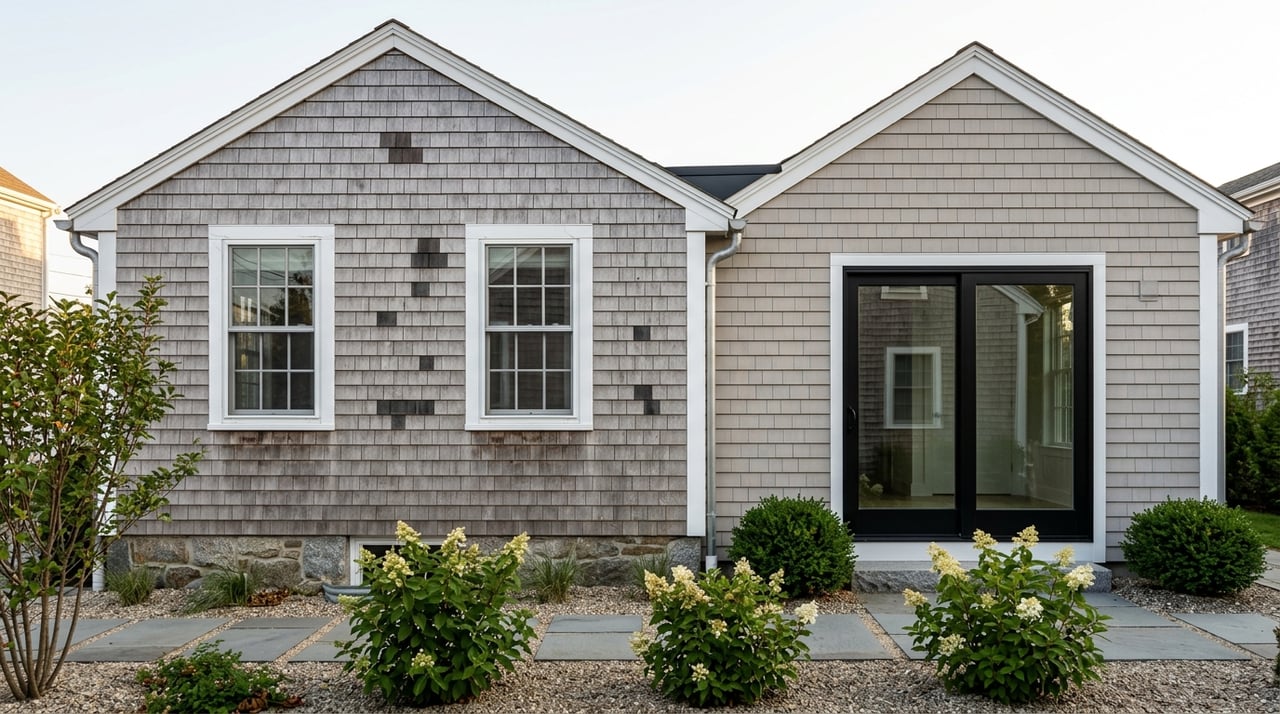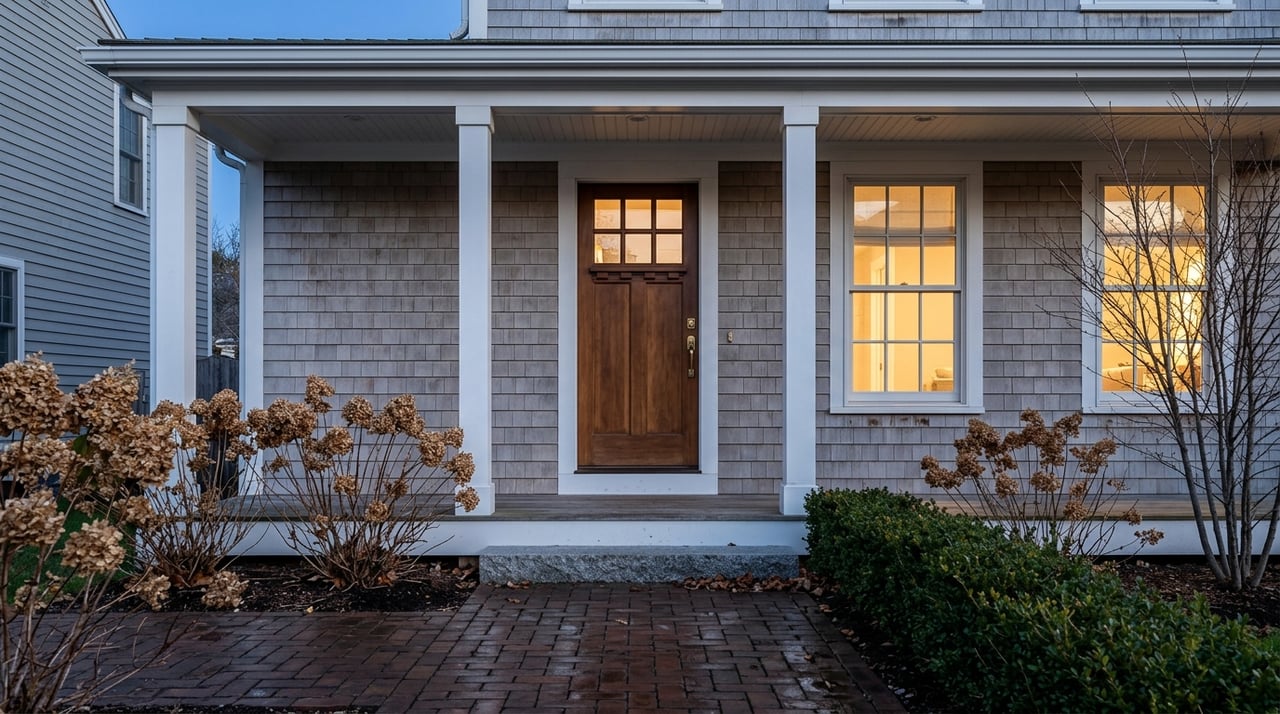
Thinking about offsetting the cost of a Newport home with rental income? You are not alone. Many buyers looking at second homes or part-time residences in Newport want a property they can enjoy personally while also using it strategically during high-demand periods. The key is knowing that rental potential here is shaped just as much by rules and logistics as it is by location and charm. This guide will help you think through demand, property fit, regulations, and ownership strategy before you buy. Let’s dive in.
Newport Rental Demand Works in Seasons
If you are buying in Newport with rental potential in mind, it helps to start with one simple truth: demand is not evenly spread across the year. According to Discover Newport, the busy visitor season extends beyond Labor Day, supported by cruise traffic, weddings, and major events that keep activity strong into the fall.
That matters because a Newport rental plan should be built around high-demand windows, not a flat annual average. Summer weeks, event weekends, and holiday periods may carry much more weight than slower stretches of the year.
For many buyers, that creates a few practical ownership paths:
- Use the home yourself most of the year and rent it during select peak periods
- Live in the home part-time and use an owner-present guest-room model
- Rent the whole home on a short-term basis where allowed
- Consider mid-term leasing to create steadier occupancy outside peak visitor seasons
If your goal is to balance lifestyle and income, this seasonal pattern is important. A home that performs well during a handful of strong rental windows may support ownership better than one that depends on steady year-round bookings.
Rental Potential Starts With the Property
It is easy to focus on a home’s style, neighborhood, or price point. But when you are evaluating rental potential in Newport, the most rentable homes are often the ones that work well operationally.
That means thinking beyond curb appeal. You want to know whether the property can function smoothly for guests, for your own use, and for the management tasks that come with frequent turnover.
Parking Can Make or Break Feasibility
In Newport, parking is not a small detail. The city’s parking code requires one off-street parking space for every guest bedroom for transient guest facilities, and guest houses or historic guest houses also require parking for managers and employees.
So even if a home seems ideal on paper, limited on-site parking can affect whether a rental plan is realistic. Before you buy, it is worth asking whether the parking setup actually supports the number of guest bedrooms tied to your intended use.
Bedroom Count Is Not the Whole Story
Many buyers assume more bedrooms automatically mean more rental income. In practice, Newport’s zoning rules can limit certain rental uses based on lot area and bedroom count, so a larger house is not always the simpler or better option.
A smart purchase is one where the bedroom layout fits the strategy you actually plan to use. In some cases, a well-designed home with manageable bedroom count, better parking, and easier guest separation may be more useful than a larger property with operational constraints.
Layout Matters for Part-Time Owners
If you plan to use the home yourself, layout becomes especially important. A property that can be easily locked off, separated, or adapted for guest use may offer more flexibility than one that only works as an all-or-nothing rental.
As you tour homes, it helps to ask practical questions such as:
- Can part of the home be reserved for your personal use?
- Does the layout support privacy for guests and owner use?
- Are the finishes durable enough for frequent turnover?
- Will the home still feel comfortable and functional in the off-season?
These details may not show up in a listing headline, but they can have a major impact on how well the property works over time.
Understand the Rental Model Before You Buy
Not every Newport rental strategy is treated the same way. Before you make an offer, it is important to match the property with the type of use you have in mind.
Owner-Present Rentals Follow Different Rules
Newport allows a limited owner-occupied home-occupation model for the rental of two guest bedrooms or fewer to no more than four people while the owner is present. The owner must also hold at least a 50% individual ownership interest, and Newport says all home occupations must be registered with the zoning administrative officer.
This is meaningfully different from a whole-home rental model. If your vision is to stay in the home part-time and host guests while you are there, that may point you toward a different property type and ownership setup than a buyer pursuing full-house short-term rentals.
Whole-Home Short-Term Rentals Need Close Review
Newport’s transient guest-facility rules cover occupancy for not more than 30 days. The city also notes that failing to register can trigger penalties.
Zoning is district-dependent, which is another reason early diligence matters. Guest-house-style uses may be allowed by right in some business districts, while some residential districts, including R-3 and R10, require a special use permit.
In plain terms, you should not assume a property can be used the way a previous listing description or online rental ad suggests. The better approach is to verify whether the location, zoning district, and property features support your intended use.
Mid-Term Rentals Have Their Own Requirements
If your plan is not nightly or weekly rentals, Newport still has rules to consider. The city requires annual registration for dwellings leased for more than 30 days but nine months or less.
That makes mid-term leasing a separate lane, not a workaround that avoids oversight. In addition, the Rhode Island Executive Office of Housing says landlords must register rental properties with the Rhode Island Department of Health.
Regulations Can Change the Numbers
Buyers often start by estimating top-line rental income. A better approach is to work backward from the real operating picture.
In Newport and Rhode Island, registrations, zoning, inspections, tax treatment, and property classification can all affect net results. That means you should underwrite based on what you can legally and practically operate, not the best-case revenue scenario.
State Registration Is Required for Many Short-Term Rentals
Rhode Island requires registration for short-term rentals listed on third-party hosting platforms. The state says a platform cannot list a property unless the listing shows a current valid registration number and expiration date.
For buyers, that means compliance starts early. If your strategy depends on platform-based bookings, registration is not optional.
Tax Treatment Deserves a Close Look
Taxes can materially affect performance. Rhode Island says that effective January 1, 2026, room rentals and whole-home short-term rentals are taxed differently.
That distinction matters because it can change your projected net income. When you evaluate a property, it makes sense to model expected results after tax rather than focusing only on gross rental receipts.
Non-Owner-Occupied Tax May Matter
Part-time owners should also be aware of Rhode Island’s new non-owner-occupied property tax. The state says it takes effect July 1, 2026 for residential properties assessed over $1 million that are not owner-occupied, with exemptions tied to 183 days of owner occupancy or 183 days of qualifying rental use during the privilege year.
If you are considering a higher-value second home in Newport, this is the kind of detail that can influence ownership structure, personal-use planning, and long-term carrying costs.
Underwrite Newport Conservatively
One of the best ways to approach a Newport purchase is to view rental income as support for ownership, not the only reason to buy. That mindset can help you stay disciplined and avoid stretching for a property that only works under perfect conditions.
Because demand is seasonal, it is smart to evaluate several occupancy scenarios instead of one optimistic forecast. A strong summer season may not look the same as a shoulder-season booking pattern or a quiet winter stretch.
Use Scenario-Based Planning
A simple framework is to look at the property through three lenses:
- Strong peak-season performance
- Normal shoulder-season performance
- Weak off-season performance
This gives you a more realistic picture of how the home may carry across the year. It also helps you decide whether the property still makes sense if bookings are uneven, which is common in a market shaped by tourism and events.
Think About Management Early
For part-time owners, management is often part of the buying decision, not something to solve later. Newport and Rhode Island requirements may include registrations, inspections, posting forms, tax remittance, and in some cases an in-state agent or manager.
That is why many owners benefit from local property management support to coordinate turnovers, cleaning, guest communication, and compliance tasks. If you are buying from out of town or plan to split time between Newport and another home, that operational piece deserves attention from the start.
What to Look For in a Newport Home
If rental potential is one of your goals, it helps to evaluate each property with a clear checklist. The best fit is usually the home that aligns your lifestyle, the local rules, and the practical demands of hosting.
Here are some of the most useful factors to review before you buy:
- Zoning district and whether your intended use fits
- On-site parking capacity
- Bedroom count relative to the rental model
- Layout for owner use, privacy, or lock-off flexibility
- Durability of finishes and ease of maintenance
- Off-season livability if you plan to use the home outside peak months
- Ongoing tax and compliance costs
A disciplined review upfront can save you from buying a home that looks promising but proves difficult to operate the way you intended.
Buying a Newport home with rental potential can be a smart move, but only when the strategy matches the property. The strongest decisions usually come from balancing lifestyle goals with clear analysis of zoning, parking, registration, tax treatment, and seasonal demand. If you want help evaluating how a specific home may fit your ownership and rental plans, William Darling can help you approach the decision with calm guidance, local knowledge, and a practical eye for the details that matter.
FAQs
Can you rent out a Newport home part-time while still using it yourself?
- Yes, but the answer depends on the property’s zoning and whether your intended use fits Newport’s owner-occupied home-occupation rules or its short-term guest-facility rules.
Does a short-term rental in Newport need registration if it is listed on a hosting platform?
- Yes. Rhode Island requires registration for short-term rentals listed on third-party hosting platforms, and the listing must show a current valid registration number and expiration date.
Does parking affect rental potential for a Newport property?
- Yes. Newport ties certain guest uses to off-street parking minimums, including one parking space for every guest bedroom for transient guest facilities.
Are mid-term rentals in Newport regulated?
- Yes. Newport requires annual registration for dwellings leased for more than 30 days but nine months or less.
Can taxes change the economics of a Newport rental property?
- Yes. Rhode Island says room rentals and whole-home short-term rentals will be taxed differently effective January 1, 2026, and the non-owner-occupied property tax may also affect some higher-value homes.
Should you buy a larger home in Newport for better rental income?
- Not necessarily. A larger house is not automatically a better rental property because zoning, parking, lot area, and bedroom-count rules can all affect feasibility.