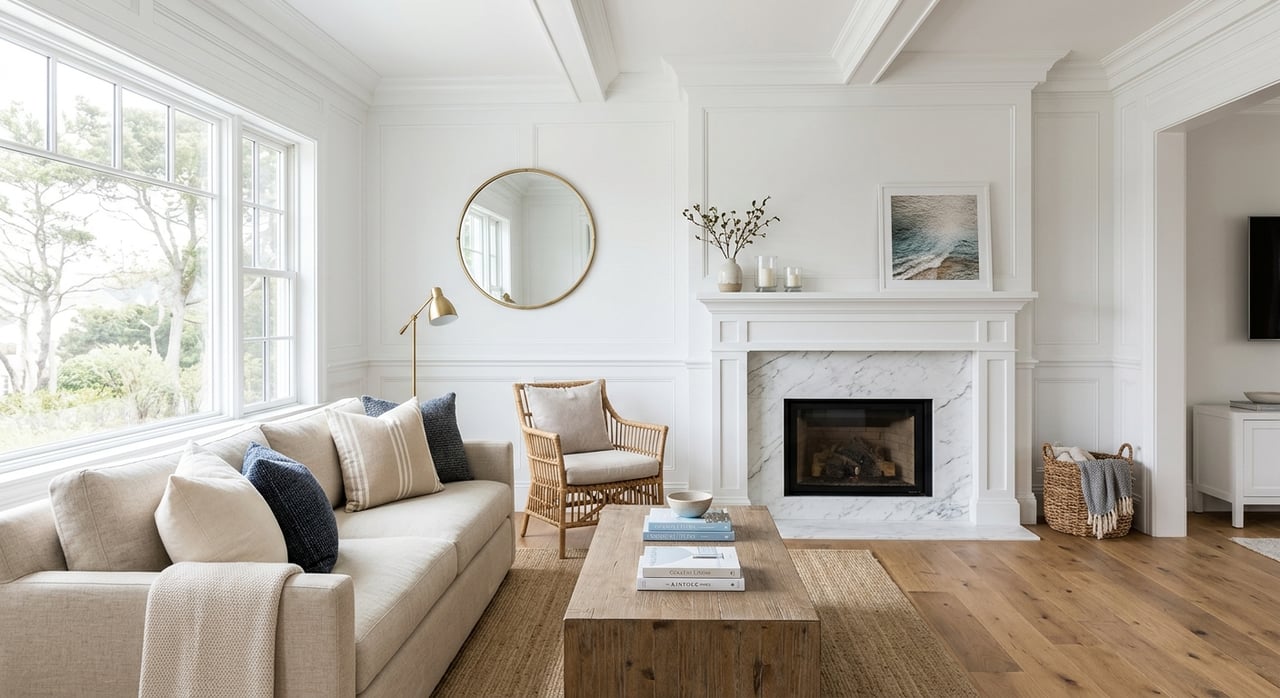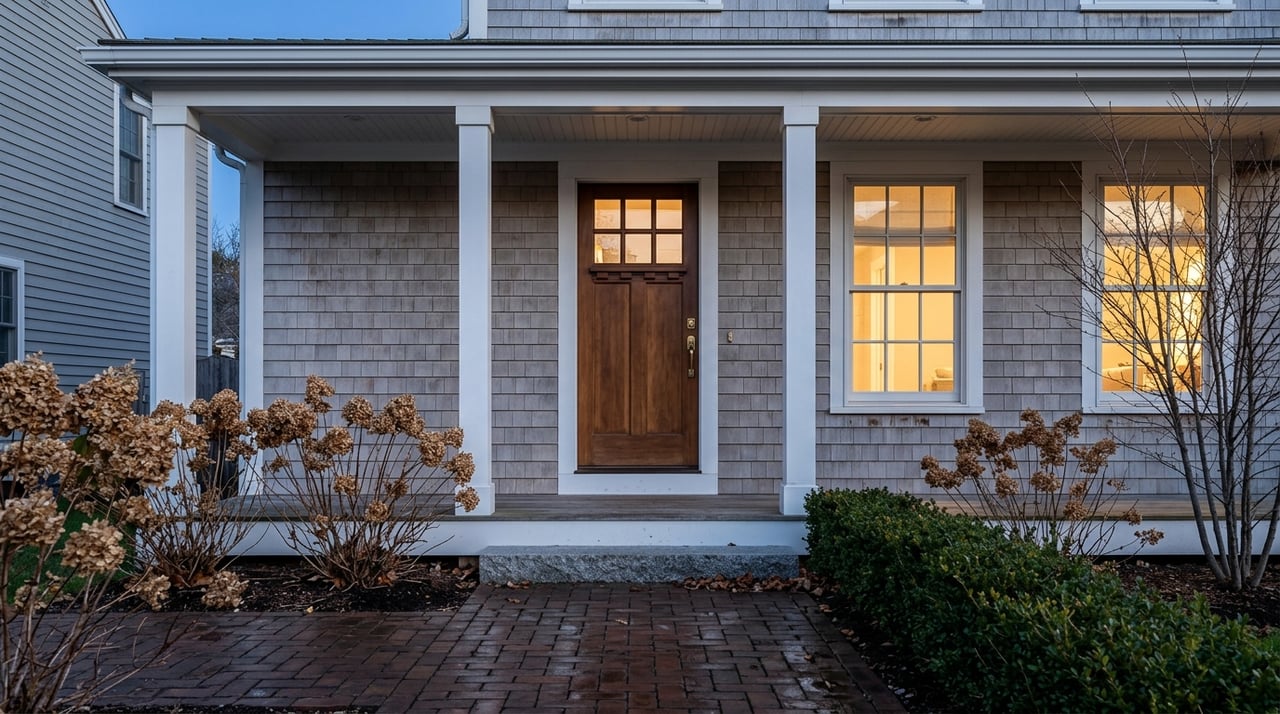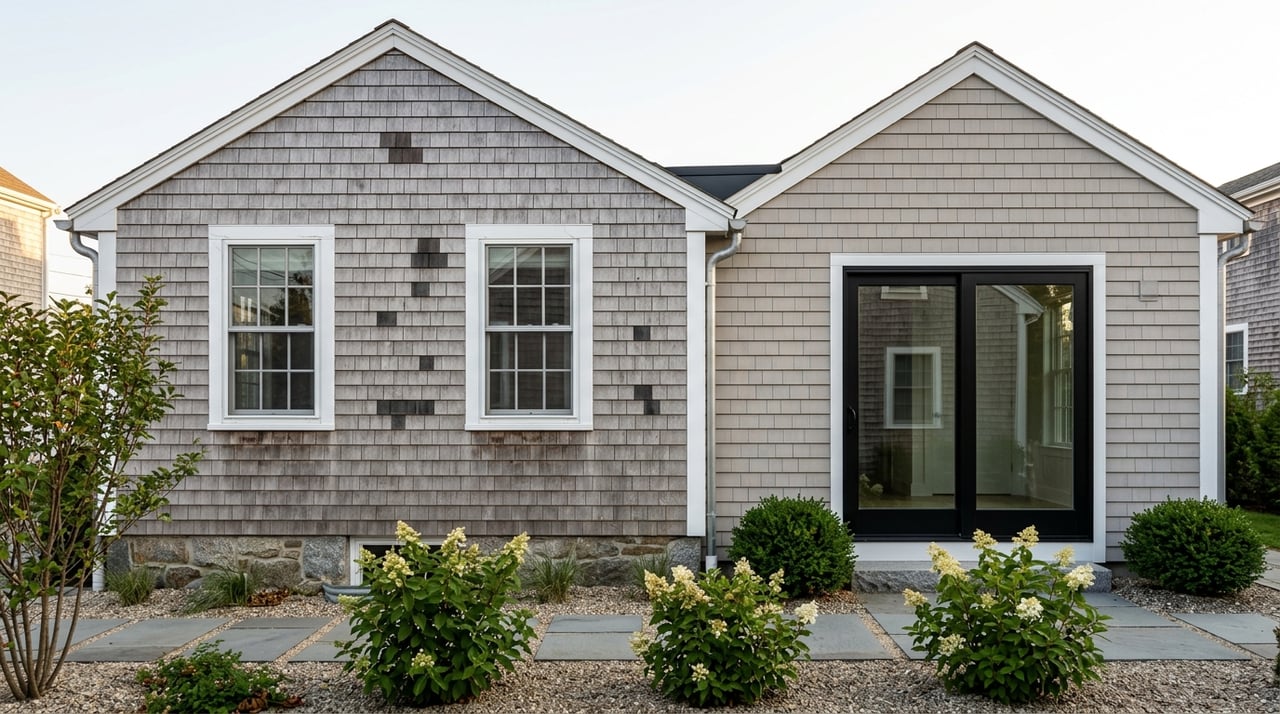
If you are weighing a historic home against a newer one in Newport, you are not just choosing a style. You are choosing a day-to-day ownership experience, a renovation path, and in many cases a different pace of decision-making. In a market where many homes were built decades ago and prices remain firmly in premium territory, it helps to know what each option really offers. Let’s dive in.
Newport’s housing mix matters
Newport is an older housing market by any standard. City planning materials report that 60.3% of the housing stock was built in 1939 or earlier, and the city is largely built out with limited room for substantial new development.
That context shapes your options. If you want to buy in Newport, there is a good chance you will be comparing homes from very different eras, from older cottages and historic residences to more recently built houses and condos.
Newport also remains an expensive market by Rhode Island standards. Recent market snapshots place Newport home values and prices in a premium range, with figures from major portals clustering around the high six figures to well above $1 million.
Why buyers love historic Newport homes
Historic homes in Newport often deliver what newer construction cannot easily copy: a deep sense of place. Original masonry, older windows, porches, and period details are part of the city’s architectural identity and one reason many buyers are drawn here in the first place.
In a place known for homes spanning the Colonial era through the Gilded Age, architectural character is not a small feature. For many buyers, it is the feature.
Historic homes offer unique character
When you buy a historic home, you are often getting craftsmanship and design elements that help the property feel tied to Newport’s history. Exterior features like windows and doors are treated as character-defining by Newport’s Historic District Commission, which gives you a sense of how central these details are to the look of many older homes.
That can create pride of ownership and strong visual appeal. It can also shape what you can change later.
Historic homes often mean stricter exterior rules
If a property is in one of Newport’s local historic districts, exterior alterations and new construction are reviewed by the Historic District Commission. That review process usually adds more time and effort before work begins.
In practical terms, that means exterior projects may move more slowly than you expect. The commission generally encourages preservation of original features and discourages certain additions, including some new decks and roof decks on contributing properties.
Historic homes may need a bigger upkeep plan
Older homes can ask more of you over time. Common issues worth budgeting for include older mechanical systems, deferred maintenance, gaps in insulation and weatherization, and air leakage around windows and doors.
Lead-based paint is another important factor in older housing. According to the EPA, 87% of homes built before 1940 contain some lead-based paint, and lead-related disclosure rules generally apply to homes built before 1978.
What to expect with a historic home
Owning a historic home in Newport does not automatically mean constant repairs. It does mean you should go in with clear expectations and a realistic maintenance budget.
A thoughtful approach often works best. For historic buildings, the National Park Service recommends starting with an energy audit and then focusing on air sealing, efficient HVAC, insulation, and repair of windows and doors rather than defaulting to full replacement.
Renovation timelines may be longer
If your plans involve exterior updates, the review process can affect your schedule. That is especially relevant if you are relocating on a tight timeline or hoping to complete work soon after closing.
Inside the home, project complexity can vary based on condition, age of systems, and how much prior work was done well. Two homes from the same era can have very different ownership profiles.
Energy performance may require upgrades
Older homes can be less efficient than newer construction. The National Park Service reports that residential buildings built before 1950 are about 30% to 40% less energy efficient than buildings built after 2000.
That does not mean a historic home is the wrong choice. It means your monthly operating costs and future upgrade plans deserve careful review before you buy.
Why newer homes appeal to many buyers
Newer homes usually attract buyers who want a more predictable ownership experience. In Newport, that often means simpler energy performance, fewer exterior restrictions, and finishes or layouts that match current preferences.
For some buyers, that tradeoff is worth a lot. You may give up some historic texture, but you often gain convenience and a shorter list of immediate projects.
Newer homes usually start with better efficiency
Compared with older housing, newer construction usually begins from a stronger energy baseline. That can matter if you are thinking about utility costs, comfort, and the difficulty of future upgrades.
In general, it is easier to achieve high efficiency in new construction than through a historic retrofit. If low-maintenance living is high on your list, that can be a meaningful advantage.
Newer homes still need inspections
A newer home is not a no-work home. Inspection guidance from ASHI notes that even well-built new homes can have issues with roofing and flashing, siding and window installation, HVAC systems, plumbing leaks, electrical work, grading, and drainage.
That means you should still inspect carefully. In many cases, a newer home simply shifts the risk from preservation-related complexity to punch-list items and warranty-period repairs.
Price in Newport is about more than age
It is easy to assume historic means expensive and newer means even more expensive, but Newport is not that simple. Current listing snapshots show a wide range, from mid-six-figure condos to multimillion-dollar houses and estates.
The key takeaway is that age alone does not determine value. In Newport, location, size, condition, and renovation quality often matter more than whether a home is historic or recently built.
New construction can still carry a premium
Recent listing data shows Newport County new-construction listings with a median listing price of $899,000, while Newport-specific new-construction listings show a median listing price of $1,299,999. That suggests newer inventory can command a strong premium, especially within Newport itself.
At the same time, some older homes sit at the top end of the market because of location, scale, or restoration quality. A historic property and a newer home can both be expensive, but for different reasons.
Flood planning matters in both categories
Because Newport is coastal, flood planning should be part of your decision whether you are buying historic or newer. The city has identified significant flooding issues in low-lying areas, with added pressure from hurricanes, severe storms, and high tides.
That makes due diligence important for any buyer. A home’s age matters less here than its location, elevation, and how it has been maintained or adapted.
Insurance questions should come early
Flood coverage is a separate issue from standard homeowners insurance in many cases. FloodSmart states that most homeowners insurance does not cover flood damage, and federally backed mortgages in high-risk flood zones generally require flood insurance.
For buyers in Newport, it is smart to ask these questions early in the process. Insurance costs and flood-zone requirements can affect your monthly budget and the long-term cost of ownership.
How to choose the right fit for you
The better choice usually comes down to your priorities, timeline, and tolerance for projects. Newport offers compelling options in both categories, but each asks something different from you.
If you love architecture, period details, and the idea of owning a home with real historic identity, an older Newport property may be a strong fit. If you prefer fewer unknowns, easier upgrades, and a more conventional maintenance path, a newer home or newer condo may suit you better.
Historic home may fit if you want:
- Distinct architectural character
- Original exterior details and sense of place
- A preservation-minded ownership experience
- Flexibility to take on longer renovation timelines
- Willingness to budget for specialized upkeep
Newer home may fit if you want:
- Better starting energy performance
- Fewer exterior restrictions
- More predictable renovation planning
- Updated layouts and systems
- A simpler maintenance profile, even if not maintenance-free
In Newport’s tight market, the right answer is rarely one-size-fits-all. A disciplined, property-by-property review can help you compare not just price, but also condition, likely future costs, approval timelines, and how well a home fits the way you want to live.
If you are comparing historic and newer homes in Newport, working with a local advisor who understands the tradeoffs can make the process much clearer. To talk through your options with a calm, data-driven strategy, schedule a consultation with William Darling.
FAQs
What is the main difference between historic and newer homes in Newport?
- Historic homes usually offer more architectural character and preservation identity, while newer homes often provide better energy performance, fewer exterior restrictions, and a more predictable maintenance path.
Are historic homes in Newport harder to renovate?
- They can be, especially for exterior work in local historic districts where alterations and new construction are reviewed by the Historic District Commission.
Do older Newport homes cost less than newer homes?
- Not necessarily. Newport listing data shows a wide range across both categories, and value often depends more on location, size, condition, and renovation quality than age alone.
Are newer homes in Newport maintenance-free?
- No. Newer homes can still have issues with roofing, windows, HVAC, plumbing, electrical work, and drainage, which is why inspections remain important.
Should flood risk affect a home search in Newport?
- Yes. Newport has low-lying areas with significant flooding concerns, so buyers should review location-specific flood exposure, insurance requirements, and related costs early in the process.
What should buyers check first when considering a historic Newport home?
- A good starting point is the home’s condition, likely maintenance needs, whether it is in a local historic district, and how any planned exterior work could be affected by review and approval timelines.