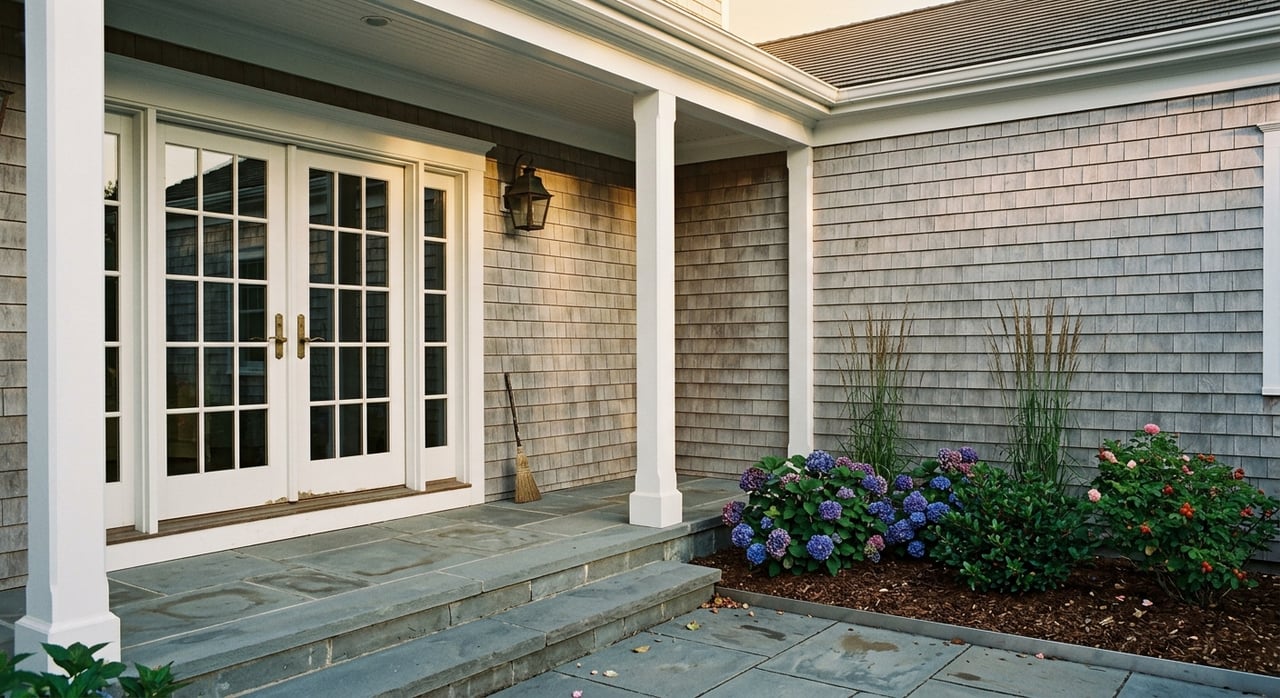
If you live in Boston, you do not have to travel far to feel like you have truly left the city behind. That is a big reason Newport keeps showing up on second-home shortlists for Boston buyers who want an easier weekend rhythm, a true coastal change of pace, and a property they can actually use often. If you are weighing whether Newport makes sense for your lifestyle and budget, this guide will help you understand the practical appeal, the ownership tradeoffs, and what to look for before you buy. Let’s dive in.
Newport is close enough to use often
For many Boston buyers, the biggest advantage is simple: Newport is close. Discover Newport says the trip from Boston is about 70 miles and roughly 90 minutes by car, which makes spontaneous weekends much more realistic than a farther-away getaway market.
That distance matters more than people think. A second home only feels valuable if you can use it regularly, and a 90-minute drive makes quick Friday departures, one-night stays, and last-minute summer weekends more doable.
Newport also offers more than one way to get there. According to Discover Newport’s transportation guide, you can reach Newport by car, train, bus, or boat, with seasonal ferry access through Providence and rail connections through Kingston and Providence.
Once you arrive, the experience shifts again. Newport’s downtown is designed for walking, which is a meaningful plus if you want a second home that feels less car-dependent and more like an easy escape.
Newport feels distinct from Boston
Convenience gets Newport on the list, but atmosphere is what keeps it there. Discover Newport describes the city as the largest city on Aquidneck Island and frames it as America’s First Resort, which helps explain why it feels different from a typical coastal town.
For Boston buyers, that difference matters. Newport offers a coastal setting with a strong historic identity, a harbor-centered lifestyle, and a pace that feels separate from city life without being remote.
In practical terms, you are not just buying distance from Boston. You are buying access to a place with a very specific character, one built around the waterfront, walkability, historic architecture, and an active visitor and event calendar throughout the year.
The lifestyle goes beyond summer
A lot of second-home markets peak hard in summer and quiet down the rest of the year. Newport has a different rhythm, with signature outdoor spaces, seasonal traditions, and cultural attractions that keep the city active beyond beach season.
One of the clearest examples is the Cliff Walk. Discover Newport describes it as a 3.5-mile public coastal walk, open from sunrise to sunset, with ocean views on one side and Gilded Age mansions on the other.
That kind of access shapes daily life. If you own a second home in Newport, the appeal is not limited to peak-season weekends. You can come down for a fall walk, a spring recharge, or a quiet winter stay and still feel like the trip was worth it.
Newport’s historic-resort identity also has staying power. The Newport Mansions visitor site highlights The Breakers as the grandest of Newport’s summer cottages, and the fact that mansion hours vary by season reinforces that the city remains active across the calendar.
The maritime culture is another major draw. Discover Newport notes that the city is closely associated with sailing, and its event coverage highlights traditions like the Newport International Polo Series, which runs on Saturdays from June through September.
Spring and winter add even more depth to the ownership experience. Daffodil Days brings more than 1.4 million daffodils to town each April, while Christmas in Newport runs as a month-long December celebration.
Beaches and waterfront access shape daily use
For many buyers, the second-home decision comes down to how you will actually spend your time there. Newport stands out because the waterfront is not just a backdrop. It is part of daily life.
The City of Newport’s hazard mitigation plan identifies Easton’s Beach as the city’s largest public beach and also points to Fort Adams Beach and Brenton Point State Park as major recreation spaces. The same document notes that most Newport beaches are public or semi-public.
That matters if you are comparing Newport to a market where access can feel more limited or more private-club dependent. Public shoreline and park access can make part-time ownership easier to enjoy, especially if your goal is flexibility rather than maintaining a large private compound.
Newport also supports a broad water-oriented lifestyle. Discover Newport’s water sports guide highlights boating, sailing, fishing, surfing, and schooner experiences, all of which reinforce the harbor-centered appeal.
Newport homes have character and constraints
The housing stock is a major part of the draw for Boston buyers. Newport offers a built environment that feels older, more layered, and more architectural than many suburban second-home markets.
According to U.S. Census QuickFacts for Newport, the city has 13,527 housing units, a 49.8% owner-occupied rate, and a median owner-occupied home value of $746,900 for 2020 through 2024. Those numbers suggest a market where ownership demand remains meaningful and where location and housing character carry real value.
Newport’s preservation framework is also unusually important. The city states in its hazard planning materials that more than 1,900 properties are protected by historic area zoning and that about 40% of the city falls within the Local Historic District. The same source notes that Newport’s architecture spans three centuries, including 17th-century houses, 18th-century buildings, and later villas and summer cottages.
That kind of historic depth is a huge plus if you want charm and a strong sense of place. It also means you should expect more review, more architectural sensitivity, and more limits on changes than you might see in a newer market.
Why condos and smaller homes appeal
Not every Boston buyer wants a large seasonal estate. In Newport, many second-home buyers are better served by a lower-maintenance property that still gives them access to the lifestyle they want.
A housing chapter published by RIHousing describes an older housing base with a median housing unit construction year of 1920. It also notes a built form shaped by small lots, walkable historic neighborhoods, waterfront condos, timeshares, and at least 1,000 short-term rental units listed online.
That mix matters because it broadens your options. Depending on your goals, a condo or smaller historic home may offer a more practical ownership experience than a large property that requires constant attention.
For a Boston-based owner, the right second home is often the one that is easiest to enjoy. That can mean prioritizing walkability, manageable square footage, easier lock-and-leave routines, and proximity to downtown or the waterfront over sheer size.
Coastal ownership requires more planning
Newport’s setting is beautiful, but it comes with real coastal exposure. If you are buying here, it is smart to think beyond the purchase price and plan for maintenance, resilience, and seasonal care from the start.
The City of Newport’s hazard mitigation plan states that Hurricane Bob and Hurricane Sandy caused erosion and damage along the Cliff Walk, Easton’s Beach, Hazards Beach, Bailey’s Beach, and Ocean Drive. The same plan notes that future storm-related coastal erosion is likely and that beach facilities, seawalls, and shoreline structures have repeatedly required repair.
That does not mean Newport is the wrong choice. It means you should buy with clear eyes and a solid plan.
FEMA guidance on coastal erosion notes that homeowners can take steps to reduce disaster damage. FEMA technical guidance also states that salt spray, onshore winds, and humidity can accelerate corrosion, especially on metal connectors and exterior components.
For a second-home owner, that often translates into a practical checklist:
- Inspect exterior materials carefully
- Review decks, railings, drainage, and roofing
- Pay attention to HVAC placement and protection
- Plan for winterization if the home will sit empty
- Consider ongoing property management if you will be away often
What Boston buyers are really choosing
At a high level, Boston buyers choose Newport because it offers a rare mix of access and atmosphere. You can leave the city and arrive quickly, but the experience still feels meaningfully different once you are there.
You also get a market with strong visual identity, year-round lifestyle appeal, and housing choices that can work for part-time ownership. For the right buyer, that combination is hard to replicate.
The main tradeoff is that Newport ownership often asks for more thought around maintenance, preservation, and coastal durability than an inland weekend home would. If you understand that from the beginning, you can make a much more confident and strategic purchase.
If you are exploring a second home in Newport, working with a local advisor who understands housing stock, preservation context, and coastal ownership details can make the search much smoother. When you are ready to talk through neighborhoods, property types, or what kind of second home best fits your goals, William Darling is here to help.
FAQs
Why is Newport a popular second-home choice for Boston buyers?
- Newport is about 70 miles from Boston and roughly 90 minutes by car, which makes frequent weekend use much more realistic for Boston-based owners.
What transportation options connect Boston and Newport?
- According to Discover Newport, Newport can be reached by car, train, bus, or boat, including seasonal ferry service through Providence and rail connections through Kingston and Providence.
What kind of lifestyle does a Newport second home offer?
- Newport offers a coastal, walkable, harbor-centered lifestyle with access to the Cliff Walk, beaches, parks, sailing culture, and seasonal events throughout the year.
What types of homes can second-home buyers find in Newport?
- Newport’s housing stock includes older historic homes, smaller houses on compact lots, waterfront condos, and other property types shaped by the city’s walkable and preservation-focused development pattern.
What should buyers know about maintaining a Newport coastal property?
- Buyers should plan for added coastal maintenance, including attention to exterior materials, corrosion risk, drainage, storm readiness, and winterization for homes that will not be occupied full time.
Does Newport have many historic properties and preservation rules?
- Yes. City planning documents state that more than 1,900 properties are protected by historic area zoning and about 40% of the city is within the Local Historic District, so preservation considerations are a meaningful part of ownership in many areas.