Looking at a duplex, condo, or small multifamily in Providence? It can be a smart way to start building long-term wealth, but only if you buy with clear eyes. Providence has strong renter demand, yet older housing stock, local tax differences, and state compliance rules can change the math quickly. If you want a practical framework for getting started, this guide will help you evaluate the opportunity with more confidence. Let’s dive in.
Why Providence draws small investors
Providence is a renter-heavy market, which matters if you are counting on rental income to support a property. The U.S. Census Bureau reports an owner-occupied housing unit rate of 41.4% in the city, and median gross rent of $1,408. Zillow’s May 2026 rental data also points to an average rent of $2,100, though it describes the market as cool and notes rents are down year over year.
That combination tells you something important. There is meaningful rental demand in Providence, but you should not build your plan around fast rent growth. A steadier, more conservative approach usually makes more sense for a first investment.
On the purchase side, Zillow reports an average Providence home value of $426,007, with homes going pending in about 22 days. Redfin reports 116 multi-family homes for sale at a median list price of $690,000, with a typical 37 days on market and about 3 offers. These figures come from different sources and methods, so the takeaway is not to blend them together, but to use them as general market context.
Start with the right property type
Not every small investment property works the same way. In Providence, your strategy should match the property type, your budget, and how involved you want to be in ongoing management.
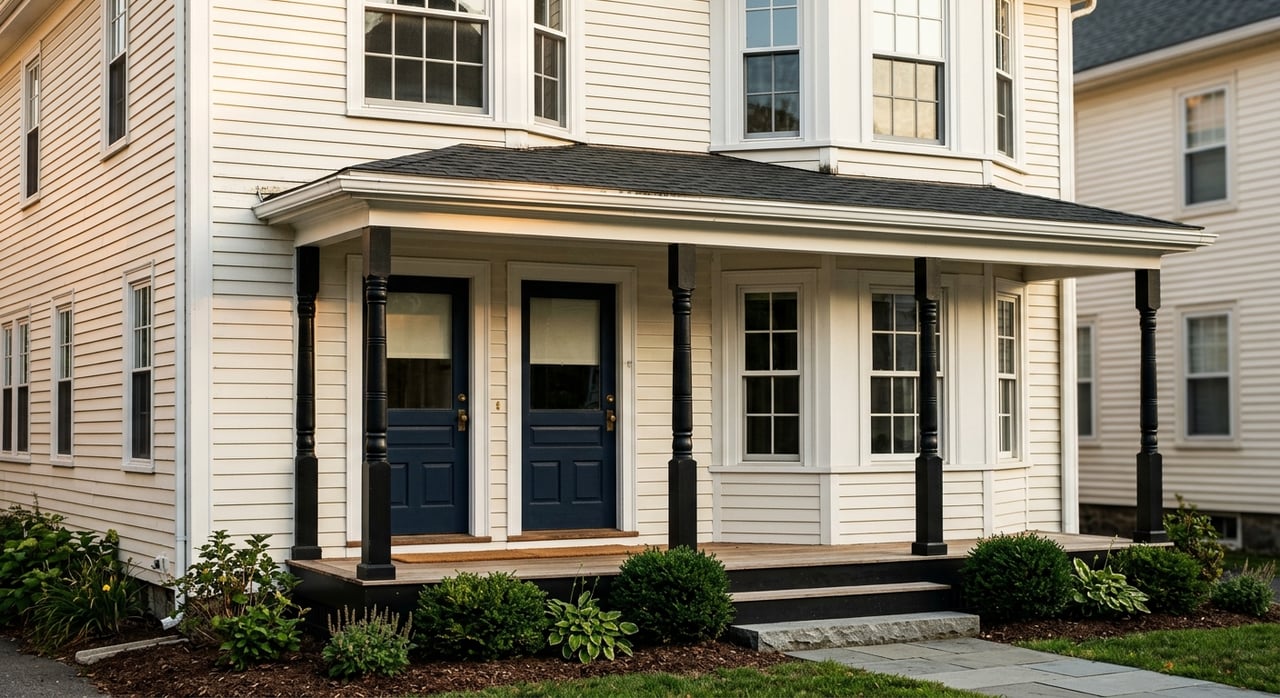
Owner-occupied duplex or triplex
For many first-time investors, an owner-occupied 2 to 5 unit property can be a practical entry point. You live in one unit and rent the others, which can help offset monthly costs while keeping you close to the property. It can also matter from a tax standpoint, since Providence’s FY26 tax rates show a major difference between owner-occupied and non-owner-occupied property classes.
Condo investment
A condo may offer a simpler maintenance picture than an older multifamily, especially if you want fewer building systems to manage directly. The tradeoff is that your monthly association fee, and any special assessment, needs to be part of your underwriting from day one. If the fee structure is too heavy, even a well-located condo can underperform.
Small multifamily hold
A small multifamily can offer more rental scale than a condo or a single-unit rental. If you buy carefully, it may also give you more ways to improve income over time. Still, the older the building, the more important it is to plan for repairs, lead compliance, and code-related upkeep.
Underwrite the real carrying costs
One of the biggest mistakes new investors make is focusing on rent and forgetting the full cost of ownership. A property is not a good investment just because the monthly rent looks high. What matters is whether the income can support the real carrying costs with room for reserves.
The research points to the major expense categories you should review:
- Property taxes
- Insurance
- Mortgage interest
- Maintenance
- Repairs
- Utilities, if owner-paid
- Condo association fees, if applicable
- Special assessments, if applicable
- Lead compliance and related inspections for older properties
- Reserves for turnover and unexpected repairs
The IRS also distinguishes between repairs and improvements. In simple terms, routine repairs are not the same as larger capital improvements, and that affects how you think about your budget and recordkeeping. Even if you work with a tax professional later, it helps to understand that renovation costs do not always function like regular operating expenses.
Providence property taxes can change the deal
In Providence, local tax classification is not a small detail. It can have a direct effect on whether a deal works.
For FY26, the city’s negotiated tax rates list owner-occupied 2 to 5 unit properties at 7.55 and non-owner-occupied 2 to 5 unit properties at 14.00. The same budget lists owner-occupied single-family at 8.40 and non-owner-occupied single-family at 14.60. If you are comparing a house hack to a pure investment purchase, that spread deserves close attention.
The city mails tax bills once a year in late June. Payment dates are quarterly on July 24, October 24, January 24, and April 24, and unpaid taxes accrue interest at 1% per month beginning in July. That means your cash-flow planning should include both the correct tax class and the timing of payments.
Run both scenarios before you buy
If you are thinking about living in one unit first and renting later, model both versions of the property. Run the numbers as owner-occupied and again as non-owner-occupied. A property that works well as a house hack may look very different once you move out and the tax treatment changes.
Older housing means bigger due diligence
Providence has an aging housing stock, and that matters. Rhode Island’s Department of Health says most homes in the state were built before 1978 and are very likely to contain lead-based paint. Providence planning materials also describe the city’s housing stock as aging.
For you, that means maintenance is not a side issue. Roofs, windows, heating systems, electrical updates, and deferred repairs can all affect cash flow and timing. It also means lead compliance is often part of the business plan, not an occasional surprise.
Lead compliance is ongoing
If a rental property was built before 1978, Rhode Island requires attention to lead hazard mitigation rules. RIDOH says landlords of pre-1978 rentals must get a lead inspection, inform tenants, keep certificates current, correct violations, and carry lead-paint liability insurance. Properties that do not fix violations within 90 days can lose eligibility for that insurance.
This is one reason a low purchase price does not always mean a low-cost deal. If the building needs lead-related work, the timeline and expense can affect your first year returns.
Know Rhode Island rental registration rules
Rhode Island requires landlords to register rental properties with the Department of Health under state law. According to RIDOH, new owners or landlords must register within 30 days of acquisition or leasing, and annual re-registration is due by October 1.
For a first-time investor, this should be part of your closing and onboarding checklist. Missing registration or certificate deadlines can create avoidable friction at the exact time you are trying to stabilize the property.
Disclosure and code issues matter too
Rhode Island law also requires landlords to disclose certain housing code issues. If a landlord is cited for a housing code violation, a copy generally must be delivered to each residential tenant within 30 days unless the issue is corrected. Prospective tenants must also be informed of outstanding minimum housing code violations before a rental agreement is signed.
Providence code enforcement responds to tenant, neighbor, emergency, and official complaints, and enforces the state Property Maintenance Code on issues such as heating, sanitation, life safety, and fire hazards. From an investment standpoint, that means deferred maintenance can become a financial and operational problem faster than many first-time buyers expect.
Fair housing and screening require care
If you plan to rent out property in Providence, your screening process needs to be lawful and consistent. Rhode Island’s Fair Housing Practices Act protects applicants and tenants based on race, color, religion, sex, sexual orientation, gender identity or expression, marital status, lawful source of income, military status, ancestry, disability, age, familial status, and domestic-abuse status.
The best practical takeaway is to use clear, neutral rental criteria and apply them consistently. If you are unsure how a screening step fits within Rhode Island law, it is worth slowing down and getting clarity before you advertise or review applications.
Budget for a few overlooked items
New investors often focus on down payment, mortgage, and repairs. In Providence, a few smaller line items also deserve space in your budget.
Closing and sale inspection items
Providence Fire Prevention requires smoke and carbon monoxide detector inspections for all new houses and any homes being sold, with a $30 fee. It is not a large cost, but it belongs on your closing-cost checklist.
Nonresident owner requirements
If you will own from out of state, Providence’s Recorder of Deeds says nonresident landlords must comply with state requirements that include registration with the Secretary of State and filing information with the city. If you are buying remotely or moving later, make sure your ownership structure and post-closing paperwork are set up properly.
A conservative strategy often works best
For many first-time buyers, the strongest Providence investment plan is simple. Buy a property that can cash flow under conservative assumptions, keep real reserves for repairs and turnover, and avoid depending on quick appreciation or aggressive rent increases.
That approach fits the market data and the regulatory landscape. Providence appears to offer steady renter demand, but it also comes with older homes, active code enforcement, and lead-related responsibilities that can add cost and complexity.
Think in terms of fit
A good first investment is not always the biggest building you can qualify for. It is the property that fits your timeline, budget, and ability to manage risk.
A few examples:
- An owner-occupied duplex may make sense if you want lower taxes and hands-on control.
- A condo may fit if you prefer simpler maintenance and understand the fee structure.
- A small multifamily may work if you want more rental scale and have enough reserves for upkeep.
If you are considering value-add potential, Providence’s accessory dwelling unit guide may also be relevant for certain properties. The city outlines rules tied to independent living units, zoning compliance, size limits, short-term rental restrictions, and the certificate-of-occupancy process. That does not mean every property is a candidate, but it does mean expansion ideas should be checked against local rules early.
Build your plan before you make an offer
Before you write an offer on a small investment property in Providence, step back and pressure-test the plan. A calm, numbers-first approach can save you from chasing a property that looks exciting but does not hold up under scrutiny.
A practical pre-offer checklist includes:
- Estimate realistic rent, not best-case rent
- Confirm whether your strategy is owner-occupied or non-owner-occupied
- Review the applicable Providence tax class
- Budget for insurance, maintenance, and reserves
- Check the age and condition of major systems
- Ask whether lead compliance applies and what is current
- Review rental registration requirements and timing
- Factor in condo fees or special assessments if relevant
- Understand any known code issues before closing
Buying your first small investment property should feel deliberate, not rushed. With the right analysis, Providence can offer solid long-term opportunity for buyers who stay disciplined and plan for the real costs of ownership.
If you want help evaluating a duplex, condo, or small multifamily in Rhode Island, William Darling brings a calm, analytical approach to pricing, negotiation, and next-step planning. Schedule a consultation to talk through your options.
FAQs
What makes Providence appealing for small investment properties?
- Providence has a renter-heavy housing mix, which can support ongoing rental demand, but buyers should still use conservative rent assumptions and budget for older housing costs.
How do Providence tax rates affect a duplex or triplex investment?
- Providence’s FY26 tax rates are lower for owner-occupied 2 to 5 unit properties than for non-owner-occupied ones, so your use of the property can materially change the numbers.
What should you budget for when buying a condo investment in Providence?
- In addition to mortgage, taxes, insurance, and repairs, you should include monthly association fees and any potential special assessments in your carrying costs.
What lead rules apply to older rental properties in Providence?
- If the rental property was built before 1978, Rhode Island requires lead-related inspections, tenant notices, current certificates, correction of violations, and lead-paint liability insurance.
When do Rhode Island landlords need to register rental property?
- New owners or landlords must register rental properties with the Rhode Island Department of Health within 30 days of acquisition or leasing, and annual re-registration is due by October 1.
What should first-time investors look for before making an offer in Providence?
- You should review realistic rent, tax classification, repair exposure, lead compliance, registration requirements, and overall cash flow under conservative assumptions before moving forward.