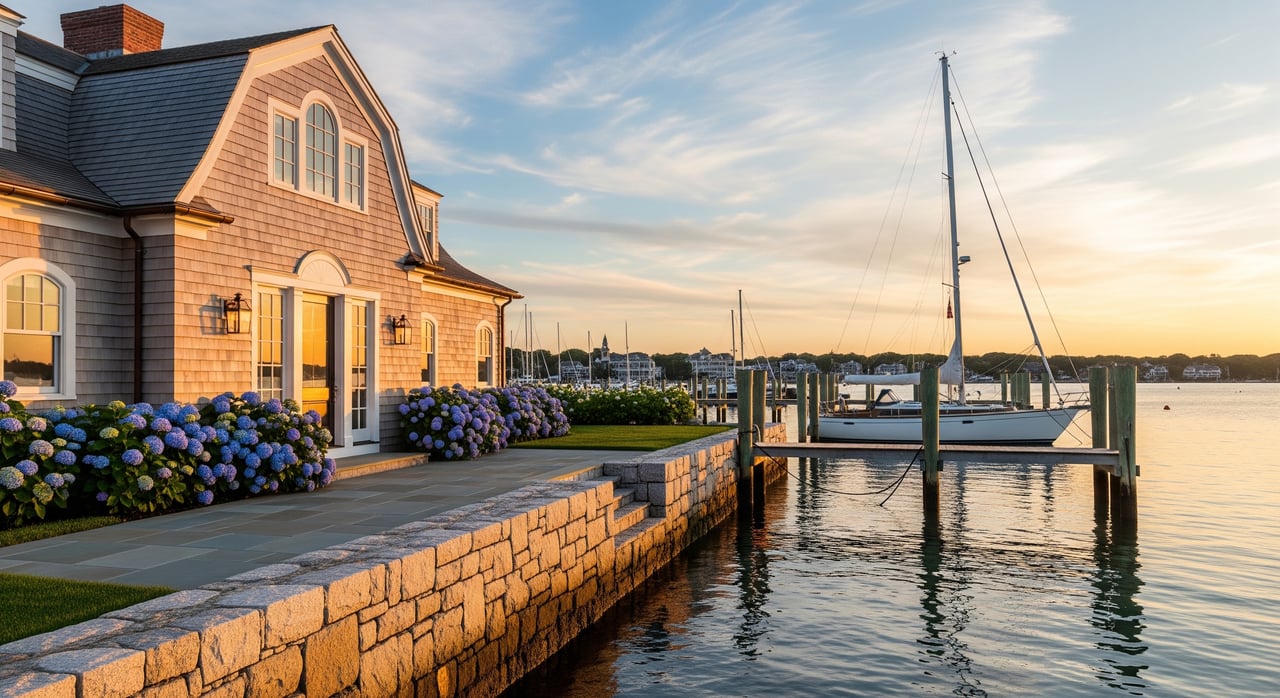
Water views can steal your heart, but they come with rules, risks, and costs you want to understand before you buy. If you’re dreaming of a Newport waterfront home, you likely want both the romance and a smart plan. In this guide, you’ll learn what drives value, how flood and wind risks affect ownership, what to expect for maintenance and insurance, and how local permits work. You’ll also get a practical checklist and trusted resources to help you decide with confidence. Let’s dive in.
What drives Newport waterfront value
Waterfront in Newport comes at a premium because of limited supply, views, and access to the harbor lifestyle. That premium is not one-size-fits-all. It varies by water access, view quality, flood risk, and local rules that shape what you can change.
Types of waterfront and views
- Direct waterfront with a seawall, beach, or private dock usually commands the highest prices.
- Water-view homes without deeded access see a lower premium, which still varies by how open and unobstructed the view is.
- Orientation matters. An open harbor panorama typically values higher than a narrow channel or partial view.
Access, amenities, and proximity
- Private docks, deeded beach access, and mooring or slip options add meaningful value.
- Easy access to downtown Thames Street, yacht clubs, and marinas can lift both daily enjoyment and resale.
- Confirm whether docking or mooring rights are deeded or subject to association or harbor rules.
Risk profile and historic rules
- Flood and erosion risk can pressure value. Homes in FEMA Special Flood Hazard Areas often face higher insurance costs and stricter building standards, which buyers factor into offers. You can check a property’s flood zone on the FEMA Flood Map Service Center.
- Many Newport neighborhoods fall under historic district oversight. Exterior changes and additions may be limited, which can affect both costs and buyer appeal. Review requirements on the City of Newport.
Coastal risks and maintenance to plan for
Waterfront living in New England is beautiful and active, but salt, wind, and water work 24/7. Plan for careful inspections and a higher maintenance rhythm than inland homes.
Flooding and sea level rise
- Newport faces tidal flooding, storm surge during nor’easters or hurricanes, and heavy rainfall events. FEMA identifies higher-risk A and V zones where flood insurance may be required by lenders.
- Sea level rise is increasing the frequency of high-water events over time. Review local projections with the NOAA Sea Level Rise Viewer, and cross-check historical water levels.
Shoreline, structure, and docks
- Inspect seawalls, bulkheads, and any living shoreline elements. These are expensive to build and maintain, and they require permits. Ask for maintenance records and permits on file.
- For elevated homes or properties on pilings, check for scour, rot, and settlement. A structural or marine specialist can flag issues early.
- Docks require routine inspection, hardware replacement, and often separate permits and harbor fees. Confirm ownership and responsibility for repairs.
Materials and mechanical systems
- Salt and wind accelerate corrosion and wear. Look for marine-grade hardware, composite decking, and fiber-cement siding.
- HVAC, heat pumps, and water heaters may have shorter service cycles. Budget for more frequent servicing and corrosion protection.
Utilities and septic
- Many Newport homes use municipal water and sewer, but some outlying areas may have septic systems. High water tables and flood exposure can affect performance. Verify service type and locations of critical utilities.
Financing, insurance, and permits
Buying on the water involves extra steps. Lenders, insurers, and regulators will all have a say in your plan and timeline.
Mortgages and flood zones
- If a home is in a FEMA-designated Special Flood Hazard Area, federally regulated lenders typically require flood insurance. Confirm the zone on the FEMA Flood Map Service Center before you write an offer.
Flood insurance options
- The National Flood Insurance Program remains the most accessible option for many properties, and FEMA’s Risk Rating 2.0 now prices policies with more property-specific data. Learn how rating works on FEMA’s Risk Rating 2.0 overview.
- Private flood insurance may be available and sometimes competitive, but options vary. Request prior premiums, claims history, and any elevation certificate. See FEMA’s guidance on elevation certificates.
Homeowners and wind coverage
- Coastal homes often carry higher homeowners premiums and windstorm deductibles. Ask your insurer about roof standards, shutters, and other wind mitigation credits. The Insurance Information Institute offers consumer-friendly basics on coverage.
Permitting and historic oversight
- The Rhode Island Coastal Resources Management Council regulates docks, seawalls, and shoreline alterations. Review guidance and permitting on the CRMC.
- The City of Newport manages building permits and historic district rules that shape exterior work. Start with the City of Newport for local requirements and processes.
Daily life on the Newport waterfront
Newport’s maritime culture is a major draw. With that comes seasonal energy, marine maintenance, and the rhythm of storm seasons.
Everyday benefits
- Scenic sunrises and sunsets, easy access to boating and kayaking, and close ties to marinas and waterfront dining.
- A community that appreciates sailing, regattas, and the city’s historic setting.
Tradeoffs to expect
- Nor’easters and hurricanes can bring closures, cleanup, and occasional repairs.
- Summers can be busy near popular destinations with more traffic and noise.
- Public waterfronts may reduce privacy, while sheltered coves trade proximity for seclusion.
Boating and marina logistics
- Confirm whether docking or mooring rights convey with the property, or if you will rely on marina slips and waitlists.
- Check local rules, fees, and winter haul-out logistics through the City of Newport.
Access and storage
- Consider parking, gear storage for boards and kayaks, and seasonal plans for boats.
- Proximity to groceries, medical services, and ferry or commuting options can shape daily convenience.
Buyer checklist for Newport waterfront homes
Use this list to focus your due diligence and keep your offer strong and informed.
Pre-offer documents to verify
- FEMA flood zone from the FEMA Flood Map Service Center and any elevation certificate.
- Seller’s flood and homeowners premiums and claims history.
- Permits and records for seawalls, bulkheads, docks, and shoreline work.
- Disclosures related to flooding, erosion, and prior storm damage.
- Deed review for riparian rights, easements, and restrictive covenants.
- HOA or harbor association rules, fees, and any assessments.
- Utilities: municipal water/sewer vs. septic; location of critical systems.
- Survey showing lot lines, mean high water line, and any rights of way.
Questions to ask the listing side
- Has the property been in a FEMA Special Flood Hazard Area? Do you have the elevation certificate?
- What flood insurance carrier and premium does the property have? Any recent flood claims?
- Who owns and maintains the seawall, bulkhead, and dock? Are there permits on file?
- Have there been costly coastal repairs in the last 10 years? Any pending assessments?
- Are there deeded docking or mooring rights, or public access easements on the shoreline?
- Is the home subject to historic district or CRMC restrictions that affect renovations?
Recommended inspections and advisors
- Licensed home inspector with waterfront experience
- Marine contractor or structural engineer for bulkhead, dock, and pilings
- Surveyor to confirm boundaries and the mean high water line
- Insurance broker experienced with coastal underwriting
- Local permitting or land use attorney for complex deeds or easements
Local resources worth bookmarking
- FEMA Flood Map Service Center for flood zones: FEMA Map Center
- NFIP and Risk Rating 2.0 basics: FEMA flood insurance
- Elevation certificates and rating details: FEMA guidance
- Sea level projections and tools: NOAA Sea Level Rise Viewer
- Coastal permitting and policy: RI CRMC
- Living shoreline and coastal hazard guidance: RI Sea Grant at URI
- Local permits, historic districts, and harbor info: City of Newport
- Homeowners and wind coverage basics: Insurance Information Institute
How William helps you buy with confidence
Waterfront purchases reward a steady plan. You want disciplined valuation, clear risk checks, and calm negotiation that protects your upside. As a Newport-based advisor, William combines a data-driven approach with local waterfront insight and a network of marine contractors, inspectors, and insurance pros. You get organized due diligence, early insurance quotes, and strategic terms that reduce surprises and keep your deal on track.
If you’re weighing a Newport waterfront or water-view home, let’s build a clear path from first tour to closing. Schedule a consultation with William Darling to get started.
FAQs
How do flood zones affect a Newport mortgage?
- Lenders typically require flood insurance if the property sits in a FEMA Special Flood Hazard Area, which can change monthly costs and underwriting.
What is FEMA’s Risk Rating 2.0 for flood insurance?
- It is FEMA’s approach to pricing flood policies using property-specific factors like elevation, flood frequency, and replacement cost to set more accurate premiums.
Do I need CRMC approval to build a dock in Newport?
- Yes, shoreline work such as docks, seawalls, or major alterations usually requires review and permits from the Rhode Island CRMC, plus local approvals.
How often do seawalls and docks need maintenance?
- Conditions vary, but coastal hardware, pilings, and seawalls require periodic inspection and repairs due to salt, wind, ice, and storm exposure.
Where can I check a home’s flood risk?
- Start with the FEMA Flood Map Service Center for the zone and use NOAA’s Sea Level Rise Viewer to understand long-term tidal and surge exposure.
What lifestyle tradeoffs come with a harbor-view home?
- You gain scenic views and access to amenities, while summer tourism, parking demand, and occasional storm impacts may add noise and seasonal activity.